Why Am I Still Breaking Out in My 30s, and Can Facials Help?

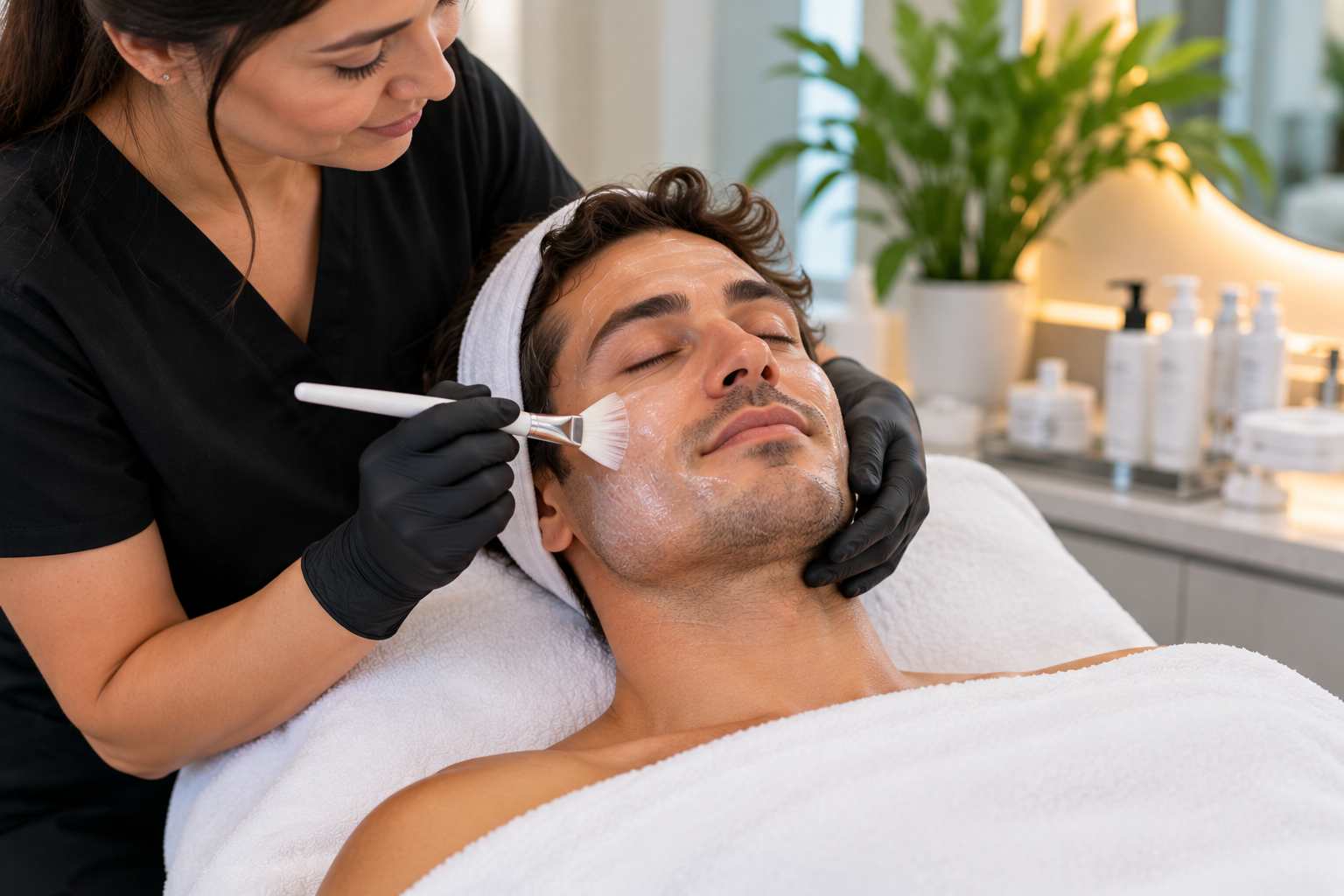
Adult acne is common, especially in women, and it usually comes from a mix of hormonal shifts, stress, pore-clogging products, certain medications, or an underlying health condition. Professional facials can help by deep cleansing, exfoliating, performing safe extractions, and calming irritated skin, which may reduce congestion and make breakouts easier to manage. Facials are a supportive treatment, though, not a cure. Persistent, painful, or scarring acne deserves a medical evaluation.
If you thought breakouts would end with your teenage years, you are not alone. Many women in Cary deal with chin and cheek breakouts right alongside their first fine lines, which makes skin care feel like a balancing act. Here is what is behind adult acne and where facials fit in.
What Causes Acne in Adults?
The American Academy of Dermatology lists several common triggers for adult acne in women.
Hormonal fluctuations
Breakouts often track with hormonal changes around menstrual periods, during pregnancy, through perimenopause and menopause, or after starting or stopping birth control pills.
Stress
Stress can increase androgen activity, which stimulates oil glands and hair follicles. That helps explain why breakouts often flare during deadline weeks, big life changes, or stretches of poor sleep.
Products that clog pores
Heavy moisturizers, some makeup, and hair products can contribute to clogged pores. The AAD suggests looking for labels like non-comedogenic or oil-free.
Medications and health conditions
Some medications list acne as a side effect, and sometimes acne signals an underlying condition. Hormone-related issues are worth considering when breakouts come with irregular cycles, unusual hair growth, or other changes. Vitalize Wellness outlines common causes of hormonal imbalance, such as stress, aging, and PCOS, and a medical provider can help you sort out whether testing makes sense.
How Is Adult Acne Different From Teen Acne?
Teen acne is often driven by a surge of oil during puberty. Adult acne tends to be more closely tied to hormone cycles, stress, and lifestyle, and it often shows up in skin that is also becoming drier or more sensitive with age.
That combination creates a real challenge. Harsh drying products that might work for a teenager can irritate adult skin, while rich anti-aging creams can clog pores. Many women end up stuck between two routines that cancel each other out. Professional guidance helps you find a middle ground that treats breakouts without stripping your skin.
What Can a Professional Facial Actually Do for Breakouts?
A well-chosen facial addresses the surface side of acne: oil, buildup, and clogged pores. According to Vitalize Wellness, its facials suit all skin types, including acne-prone skin. Here are the options most relevant to breakouts.
Custom Acne Facial
This treatment includes cleansing, exfoliation, and extractions. Having a trained provider clear congestion is very different from squeezing at home, which the AAD warns can slow healing and increase the risk of scars and dark spots.
HydraFacial
The HydraFacial cleanses, exfoliates, extracts, and hydrates in one session, and it can be customized with boosters for concerns like acne. It is often a good fit for congested skin that also feels dehydrated or dull.
Dermaplaning plus a light chemical peel
This combination removes dead skin and peach fuzz, then uses a light peel to refresh the surface. Vitalize Wellness requires a skin assessment for new clients before this option, which is a good sign that the treatment is matched to your skin rather than offered to everyone. Exfoliating treatments like this are generally not performed over active, inflamed breakouts or during certain acne medications, so your provider will decide whether it is right for you now or later.
What Can't a Facial Do?
Being realistic about limits protects your skin and your budget.
- Facials do not replace medical treatment. Deep, painful cysts and nodules usually need prescription care.
- Facials do not fix the hormonal cause. They help with the results on your skin, not the hormone pattern underneath.
- Facials have limited effect on established scars. Indented acne scars typically respond better to treatments like microneedling, which stimulates collagen.
The AAD recommends seeing a dermatologist if acne does not respond to over-the-counter care. Facials can work alongside that plan, and it helps to tell your facial provider about any prescriptions you use.
What Should You Expect at Your First Acne Facial?
If you have never had a professional facial for breakouts, knowing what happens can take the nerves out of it.
- Skin assessment. Your provider looks at the type of breakouts you have, where they appear, and how sensitive your skin is. Expect questions about your cycle, stress, products, and any medications.
- Cleansing and exfoliation. Surface oil, makeup, and dead skin are removed so pores can be treated effectively.
- Extractions. Clogged pores are cleared carefully. Inflamed, painful breakouts are usually left alone to avoid making them worse.
- Calming and hydration. Soothing products help settle redness and support your skin barrier.
- Home care guidance. You leave with simple recommendations that fit your skin and schedule.
Mild redness can happen afterward but usually fades quickly, so most people return to work or errands the same day. If you are prone to flushing, consider booking later in the afternoon.
How Often Should You Book an Acne Facial?
Vitalize Wellness typically recommends facials every four to six weeks. That rhythm helps keep congestion from building back up between visits.
Patience matters here. The AAD notes that acne treatments can take several weeks to a few months to show results, and switching routines too often can trigger more flare-ups. Give a consistent plan at least a few cycles before judging it.
Why Does a Busy Schedule Make Breakouts Worse, and What Helps at Home?
If you are juggling a demanding job, a long commute on I-40, family obligations, or all three, your skin often feels it first. Stress, short sleep, skipped cleansing after workouts, and touching your face during long screen days all add up. Humid North Carolina summers can also leave skin feeling oilier and more congested.
A few habits from the AAD's acne management tips make a real difference:
- Wash gently up to twice a day and after sweating, using your fingertips instead of scrubbing tools.
- Choose alcohol-free products and skip harsh astringents and scrubs.
- Keep oily hair off your face.
- Leave breakouts alone, no matter how tempting.
- Wear a broad-spectrum, non-comedogenic sunscreen with SPF 30 or higher.
Simple, consistent habits paired with regular professional care usually beat a cabinet full of trendy products.
Clearer Days Ahead, Even on Deadline Weeks
Adult acne is frustrating, but it is not a personal failing and it is not something you just have to live with. Understanding your triggers, protecting your skin barrier, and getting regular professional support can help you feel more in control. When breakouts point to something deeper, a medical evaluation is the right next step. To find the facial that fits your skin, book a consultation with Vitalize Wellness in Cary.
Frequently Asked Questions
Can a facial make acne worse at first?
Some people notice a little temporary redness or a few surface breakouts after extractions as congestion clears. This usually settles within days. If you see a significant flare, increasing irritation, or painful bumps, let your provider know so they can adjust your treatment.
Should I tell my provider about acne medications before a facial?
Yes. Prescription retinoids, oral acne medications such as isotretinoin, and some antibiotics can make skin more sensitive, which may change which exfoliation or peel is safe for you. Share your full medication list so your provider can choose the gentlest effective approach.
Is a HydraFacial or a Custom Acne Facial better for breakouts?
It depends on your skin. A Custom Acne Facial focuses on deep cleansing and extractions, which suits heavier congestion. A HydraFacial combines cleansing and hydration, which often works well for skin that is both congested and dehydrated. Your provider can recommend one after looking at your skin.
Can facials help with dark marks left by old breakouts?
Regular exfoliation can help skin look brighter and more even over time, but stubborn dark marks often need targeted treatments such as chemical peels or IPL. The right choice depends on your skin type and tone, so a provider assessment matters. Daily sunscreen also helps, since sun exposure can make marks linger longer.
Are acne facials safe for darker skin tones?
Yes, with the right approach. Darker skin can be more prone to dark marks after inflammation or irritation, which is one reason the AAD warns against picking. Gentle extractions, careful exfoliation choices, and daily sunscreen all help lower that risk. Share any history of dark spots with your provider so they can tailor the treatment.