Which Facial Fits Your Skin in Cary, NC?

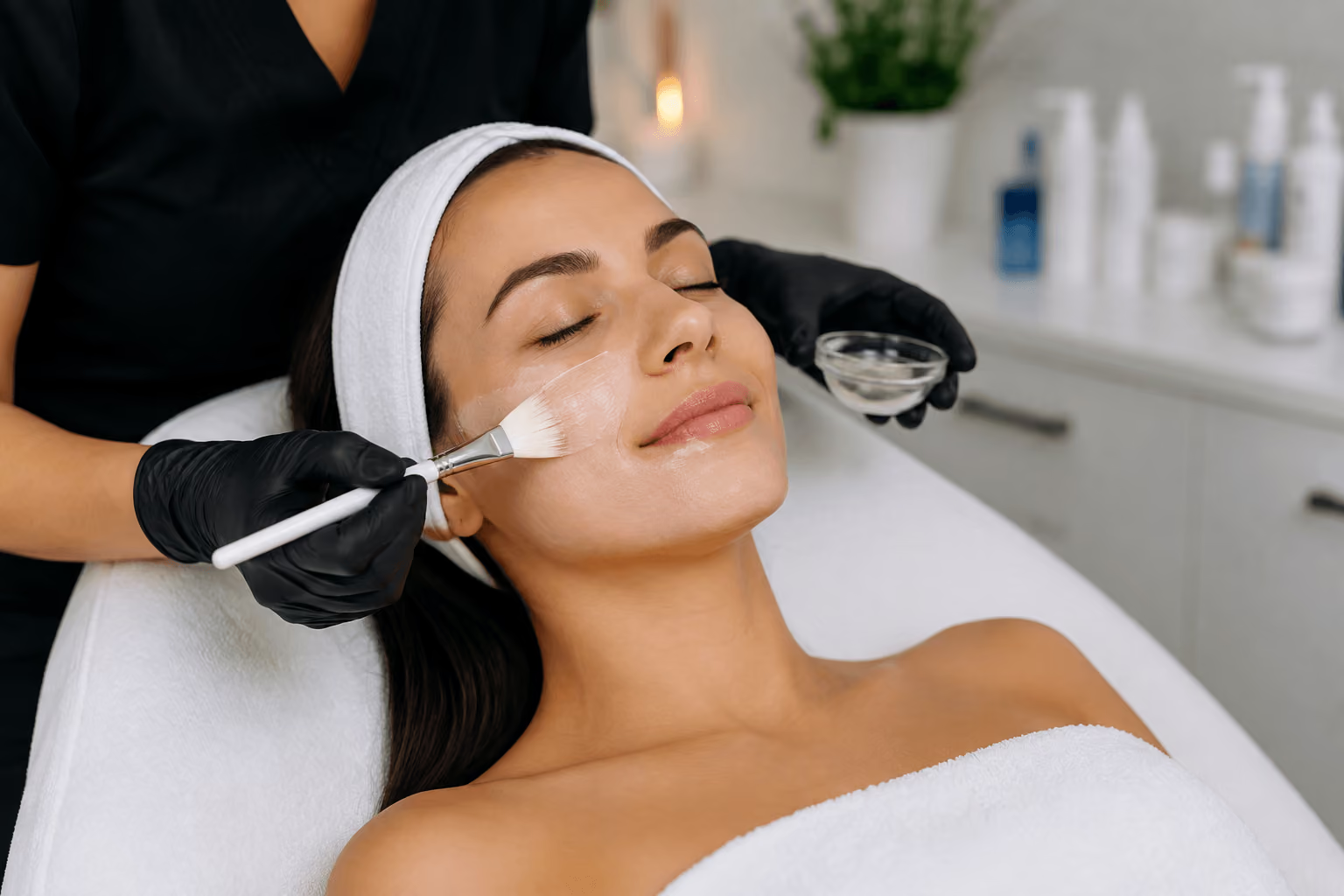
Not every facial is built for the same problem. Some are designed to hydrate. Some target texture. Some are meant to calm redness and irritation. Booking a generic facial without knowing what your skin actually needs is a bit like ordering off a menu with your eyes closed. You might land on something decent, or you might completely miss what would have made the biggest difference.
Updated this month, here is a guide to matching your specific skin concern to the right facial approach, so you walk in already knowing what to ask for.
Why Do Facials Feel So Confusing to Choose Between?
Spas and medspas often list several facial options with names that do not explain much on their own. Without knowing your skin type or concern, it is hard to tell which one will actually address what is bothering you. The better approach is starting with the concern first, then matching it to a treatment.
What Facial Helps With Dull, Tired Looking Skin?
Dullness is usually caused by a buildup of dead skin cells that prevent light from reflecting evenly off the surface. Treatments that gently exfoliate and resurface the top layer of skin tend to make the biggest visible difference here. Learn more about the dullness and lack of glow concern and how facials can help address it.
What Facial Helps With Dehydrated Skin?
Dehydration is different from dryness. Dehydrated skin lacks water, not necessarily oil, and often shows up as tightness, fine lines that appear more noticeable by the end of the day, or a rough, flaky texture even in people with naturally oily skin. A hydration focused facial, such as a HydraFacial, uses a combination of cleansing, exfoliation, and infused serums to restore moisture at a deeper level than a moisturizer alone can reach. See the HydraFacial service page and the dehydrated skin concern page for more detail.
What Facial Helps With Acne and Breakouts?
Acne prone skin often needs a facial that focuses on deep cleansing and controlled extractions rather than heavy hydration alone. Treatments that clear clogged pores while calming inflammation tend to work best here, and consistency over several sessions typically matters more than a single visit. Read more on the acne and breakouts concern page.
What Facial Helps With Uneven Texture or Large Pores?
Rough texture and enlarged pores are often linked to a buildup of debris and reduced skin cell turnover. Facials that incorporate deeper exfoliation, and in some cases microneedling, can improve both texture and pore appearance over time. Explore the microneedling service page and the large pores and rough texture concern page.
What Facial Helps With Redness or Sensitive Skin?
For redness prone or reactive skin, gentler facials that avoid harsh extractions or aggressive exfoliation tend to work better. The goal here is calming inflammation rather than resurfacing aggressively. See the redness and rosacea concern page for more.
What Facial Helps With Sun Damage and Uneven Tone?
Sun exposure over the years often leads to uneven pigmentation, sometimes called sun spots or hyperpigmentation. Facials that combine exfoliation with brightening ingredients can help even out tone gradually. For more targeted concerns, chemical peels are often paired alongside facials. Learn more through the chemical peels service page and the sun damage and pigmentation concern page.
How Often Should You Get a Facial?
This depends on your concern and skin type, but many patients find that a facial every four to six weeks aligns well with the skin's natural renewal cycle. Acne prone or congested skin may benefit from slightly more frequent visits, while maintenance focused facials for general skin health can often be spaced further apart.
Are Facials a One Time Fix or an Ongoing Practice?
Facials work best as part of an ongoing routine rather than a single event before a big occasion. Most visible improvement in texture, tone, and hydration builds gradually over a series of treatments, paired with a consistent at home skincare routine in between visits.
What Should You Expect During a Facial Appointment?
A typical facial includes a skin analysis, cleansing, exfoliation, extractions if needed, and a treatment mask or serum suited to your concern. Most appointments run between 30 and 60 minutes, and there is little to no downtime afterward.
Choosing the Right Facial in Cary, North Carolina
Because skin concerns vary so widely from patient to patient, the most useful first step is identifying what is actually bothering you, whether that is dullness, dryness, breakouts, texture, or tone, rather than picking a facial by name alone. From there, a licensed provider can recommend an approach suited to your specific skin. Explore the full range of facial services to see what fits.
Putting Your Best Face Forward
Facials are not one size fits all, and the right choice depends entirely on the concern you are trying to solve. Whether that is dullness, dehydration, breakouts, or uneven tone, matching the treatment to the problem is what actually produces results you notice. If you are unsure where to start, a quick consultation can point you in the right direction. Contact Vitalize Wellness to schedule your visit.
Frequently Asked Questions
What is the difference between a regular facial and a HydraFacial? A HydraFacial uses a specific device to cleanse, exfoliate, and infuse hydrating serums in one step, while a traditional facial relies more heavily on manual techniques and masks.
How do I know which facial is right for my skin? Start by identifying your main concern, such as dullness, dehydration, breakouts, or uneven tone, and choose a facial designed to address that specific issue.
How often should I get a facial for the best results? Many patients see the best results with a facial every four to six weeks, though this can vary based on skin type and concern.
Can facials help with acne scarring? Facials focused on texture and skin renewal can improve mild scarring over time, though deeper scarring may benefit from additional treatments like microneedling.
Is there downtime after a facial? Most facials involve little to no downtime, though skin may appear slightly flushed for a few hours immediately afterward.