What Is a Facial, and Do You Actually Need One in Your 20s?

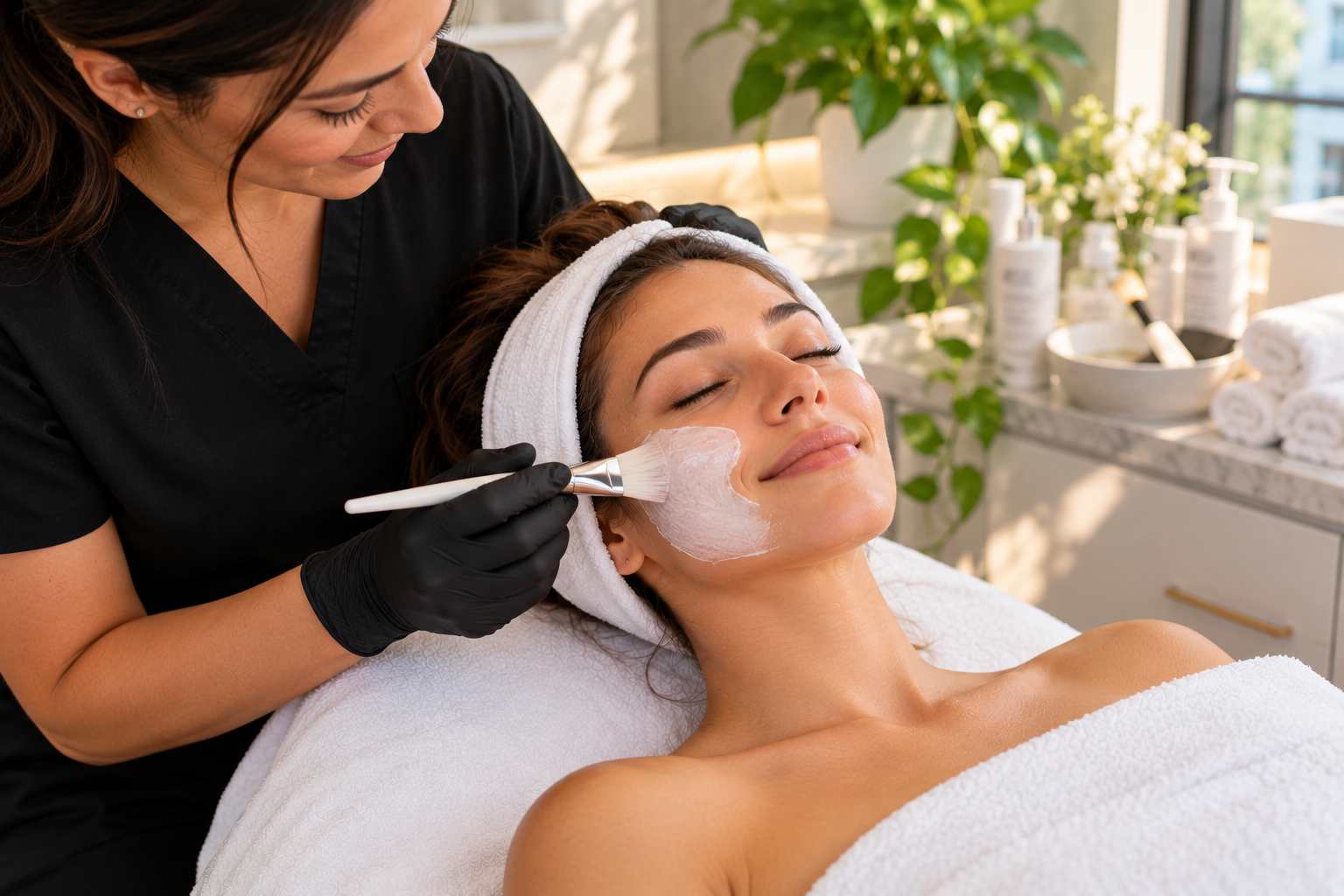
A facial is a professional skin treatment that cleanses, exfoliates, clears congestion, hydrates, and protects your skin, with each step tailored to your skin type and concerns. In your 20s, a facial is not mandatory, but it can be genuinely useful if you deal with breakouts, clogged pores, rough texture, or dullness, or if you are tired of guessing which products actually work. Think of it as a reset plus a skin coaching session rather than a luxury you have to earn.
If your feed is full of ten-step routines, viral tools, and conflicting advice, a professional facial can cut through the noise. Here is what really happens during one, and how to decide whether it fits your skin and budget.
What Actually Happens During a Facial?
Most facials follow a similar structure, adjusted to your skin on the day of your appointment.
- Skin assessment. Your provider looks at oiliness, dryness, congestion, sensitivity, and any active breakouts, and asks about your current products.
- Cleansing. Makeup, sunscreen, oil, and surface buildup are removed.
- Exfoliation. Dead skin cells are lifted with gentle products, tools, or techniques such as dermaplaning or microdermabrasion.
- Extractions, if needed. Clogged pores are cleared carefully to reduce the risk of irritation or marks.
- Targeted treatment. This may include a mask, serum, or device like LED light.
- Hydration and protection. Moisturizer and sunscreen finish the treatment.
Mild redness can happen, but it usually fades quickly, so most people head straight back to class, work, or plans afterward.
How Is a Professional Facial Different From Your At-Home Routine?
Your daily routine is the foundation, and nothing replaces it. A professional facial adds things you cannot easily do at home.
- Trained eyes. A provider can tell the difference between a clogged pore, a hormonal breakout, and irritation from over-exfoliating, which changes how each should be treated.
- Safer extractions. Squeezing at home often pushes debris deeper. The American Academy of Dermatology also warns that scrubbing can irritate skin and worsen conditions like acne.
- Professional tools. Devices like the HydraFacial combine cleansing, extraction, and hydration in one professional treatment.
- Honest product advice. Many people in their 20s spend money on products that fight each other. A good provider will tell you what to keep, what to drop, and what your skin actually needs.
Which Facials Make Sense for Common 20-Something Skin Concerns?
Vitalize Wellness offers several facial options, and the right one depends on what is bothering you most.
Breakouts and clogged pores
The Custom Acne Facial focuses on cleansing, exfoliation, and extractions. For persistent or painful acne, a facial works best alongside guidance from a medical provider. Vitalize Wellness also outlines treatment options on its acne and breakouts page.
Dullness, rough texture, or peach fuzz
The Dermaplane Facial removes dead skin and fine facial hair, which can make skin look smoother and help makeup sit better. The Microdermabrasion Facial offers another gentle exfoliation option for uneven texture.
A glow before a big event
The HydraFacial cleanses, exfoliates, and infuses hydration with no downtime, which makes it popular before graduations, interviews, weddings, or nights out. The Glo2Facial, which pairs oxygen infusion with serums, is another refreshing option.
For guys
Men in their 20s often deal with oiliness, congestion, and irritation from shaving. The Gentlemen's Facial combines cleansing, extractions, a mask, LED therapy, serum, and moisturizer in one appointment.
Is LED Light Therapy Worth It?
LED light shows up in many facials, including the Gentlemen's Facial, and in countless at-home masks. The AAD's overview of red light therapy notes that some studies show subtle to noticeable improvements in skin, and that short-term side effects tend to be mild. It also points out that long-term effects are not fully known and that people with darker skin tones may be more prone to pigment changes from visible light.
The takeaway: LED can be a nice addition during a facial, but it is not a miracle step. If you are thinking about buying an expensive at-home device, it is worth asking your provider first. The AAD also notes that FDA clearance for a home device signals that it is considered low risk, not that it is proven to work, which is useful context before you spend money on one.
How Often Should You Get a Facial When You Are Just Starting Out?
Vitalize Wellness generally recommends facials every four to six weeks for ongoing maintenance. If you are on a student or entry-level budget, you do not have to start there. One facial can give you a clear baseline and a smarter home routine. From there, you might book seasonally, before big events, or when your skin feels off.
If facials become a regular habit, the clinic's membership program includes a monthly facial and other perks, which some clients find easier to budget for.
Which Skin Habits Matter Most in Your 20s?
Facials work best on top of a few basic habits. The good news is that the most important ones are simple and inexpensive.
- Daily sunscreen. The AAD recommends a broad-spectrum, water-resistant sunscreen with SPF 30 or higher. Sun exposure is one of the biggest drivers of dark spots and early lines.
- Gentle cleansing. Use a mild cleanser and your fingertips, and wash after sweating.
- No smoking. The AAD notes smoking speeds up skin aging and slows healing.
- Stress and sleep. Stress can trigger or worsen conditions like acne, which is very real during exam seasons, first jobs, and big life changes.
- Products that fit your skin. More steps are not always better. Choose products based on your skin type and concerns, not what is trending.
Building these habits now does more for your long-term skin than any single treatment, and it makes every facial you book more effective.
What Should You Do Before and After Your First Facial?
A few simple steps help you get the most from your appointment:
- Before: Skip at-home exfoliants and new products for a couple of days, and tell your provider about any acne medications or retinoids you use.
- After: Keep things simple for a day or two. Use a gentle cleanser, moisturizer, and sunscreen.
- Always: Do not pick at your skin, especially in the days after extractions, and keep up your daily sunscreen. Cary's long, sunny stretches outdoors, from greenway walks to weekend festivals, make that habit especially worth keeping.
Less Scrolling, More Glowing
You do not need a facial to have good skin, and you definitely do not need every trending product. But if you are stuck in a cycle of breakouts, buildup, or guesswork, one professional appointment can save you months of trial and error. For first-timers in Cary who want real answers about their skin, contact Vitalize Wellness to book a facial or consultation.
Frequently Asked Questions
Is a facial worth it if I already have a good skincare routine?
It can be. A solid routine handles daily maintenance, while a facial adds deeper exfoliation, professional extractions, and expert feedback. Many people discover they can simplify their routine after a provider explains what their skin actually needs, which can save money in the long run.
Does a facial hurt?
Most facials feel relaxing. Extractions can feel like brief pressure or a quick pinch, and some exfoliation steps may tingle. Your provider can adjust the pressure or skip steps if your skin is sensitive. Let them know if anything feels uncomfortable during the appointment.
Can I wear makeup right after a facial?
Many people wait until later in the day or the next morning to give skin time to settle, especially after extractions or exfoliation. Ask your provider for guidance based on the treatment you received, since recommendations can vary.
What age can you start getting facials?
There is no single right age. Teens and young adults with acne or congestion can benefit from gentle professional care, and people in their 20s often start as part of a preventive routine. The best time is whenever your skin concerns start affecting your confidence or comfort.
How do I know which facial to book first?
If you are unsure, book a consultation or describe your main concern when scheduling. Your provider will assess your skin and recommend the best starting point, whether that is an acne-focused facial, a HydraFacial, or a gentle exfoliating treatment. It also helps to bring a list or photos of the products you use now, so your provider can spot anything that might be irritating your skin or working against your goals.